What if Chicago has been asking the wrong initial question?

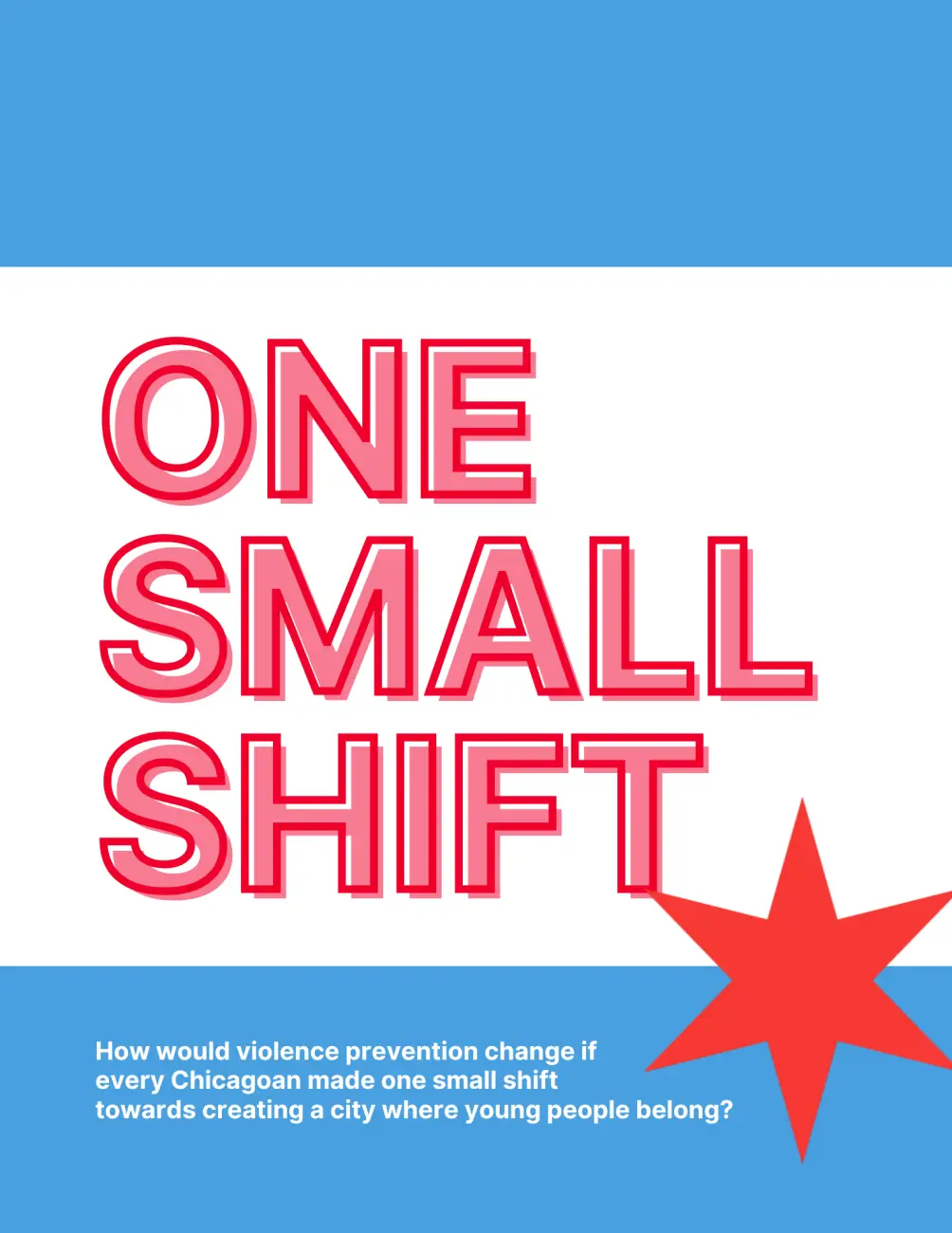
Instead of asking, “How do we stop violence?” One Small Shift, a new brief compiled by the Violence Prevention Catalyst Team,* asks,

“How do we help every young person feel like they belong?”

Rather than another report filled with statistics and policy recommendations, this brief combines Chicago student voices, personal stories, behavioral science, and local research. It explores a different approach to violence prevention – one rooted in connection, trusted relationships, and belonging.

“Violence isn’t just about anger,” said Chicago seventh grader, Jade Lee. “It’s about feeling like you don’t have choices… needing to belong.”

While Chicago has experienced meaningful reductions in violence in recent years, too many young people continue to navigate trauma, isolation, and disconnection.

Research consistently shows that when students feel connected to school and supported by caring adults, they experience lower rates of violence, bullying, victimization, and mental health challenges.

Through practical ideas and real stories of ordinary Chicagoans, the brief challenges every reader to consider one simple question:

What is one small shift you can make to help a young person feel seen, valued, and like they belong?

Stay Connected with One Small Shift

"*" indicates required fields

This field is for validation purposes and should be left unchanged.
Name*
Email*

Sign up to receive relevant updates, events, and opportunities!

SHIFT #1:
BUILD POSITIVE, MEANINGFUL RELATIONSHIPS WITH YOUNG PEOPLE

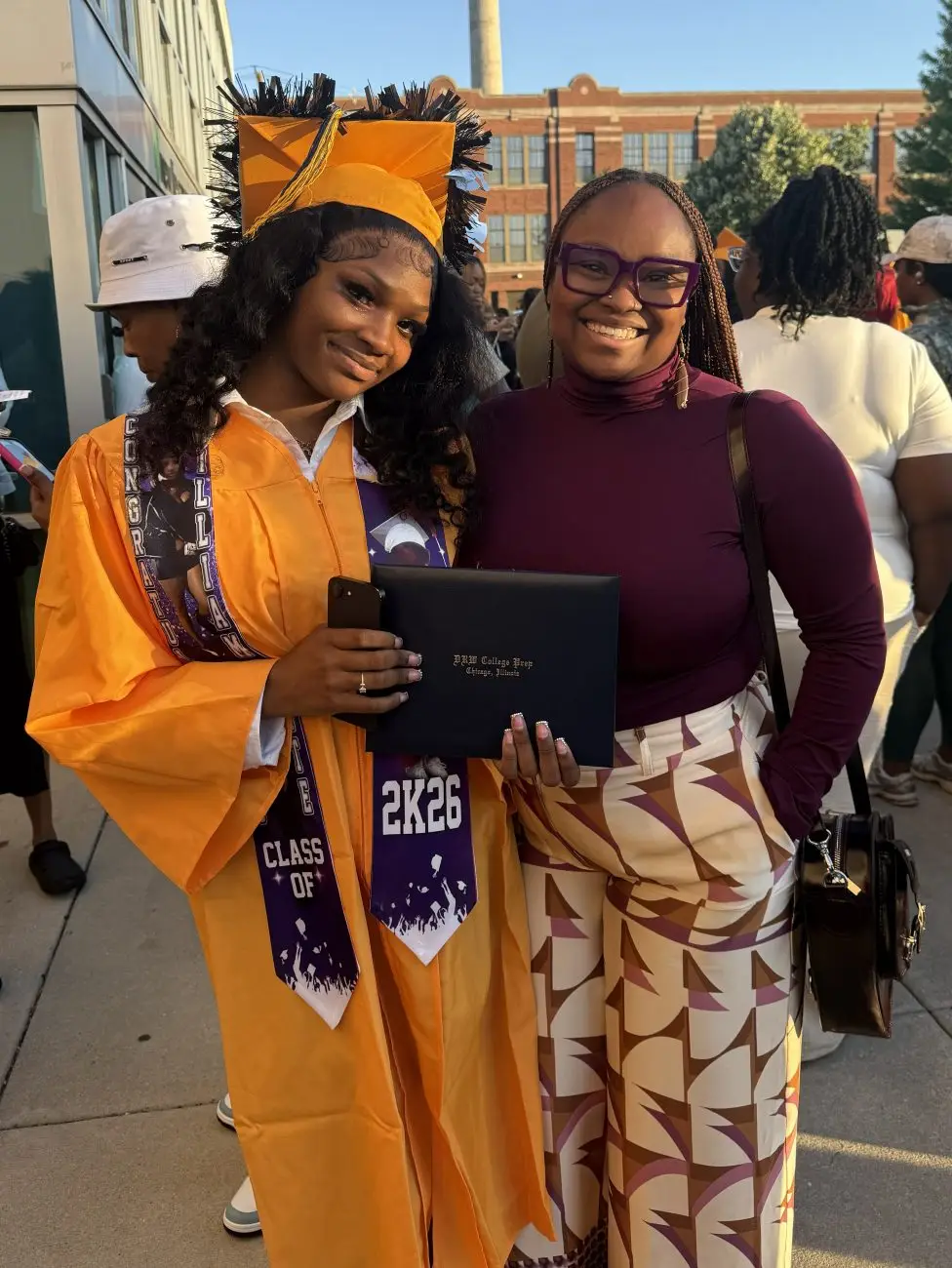
Violence prevention doesn’t start with systems; it starts with relationships.

  • Learn a young person’s name and interests.
  • Offer encouragement. Be present.
  • Have real conversations – Listen without judgment. Speak to them
    honestly and directly. Value their perspective in return.
  • Treat them with dignity and respect – Work to become more aware of any biases you carry. Respect reinforces self-worth, and self-worth shapes behavior.
SHIFT #2:
Learn more about your community and its needs

Learn more about your community’s most pressing, unmet needs. When people are in survival mode, they are at increased risk.

A person’s basic needs (food, water, shelter, and sleep) and their safety needs (security and good health) must be met before a person can begin to focus on other needs, like connection, self-confidence, and self-actualization.

  • Do some research.
  • Engage with your neighborhood.
  • Attend local events. Support community-based efforts.
  • Consider what the family, in addition to the young person, may need.
  • Support programs that uplift families and spaces before and after school where young people can feel safe and valued.
  • Get informed – Understanding the root causes of violence and Chicago’s history can help inform your participation in advocating, voting, and supporting policy changes.

SHIFT #3:
CHANGE YOUR MINDSET FROM 'IT'S NOT MY PROBLEM' TO 'MY ACTIONS MATTER'

Safer communities require collective ownership, not just engagement from parents and teachers.

  • See youth development as everyone’s responsibility.
  • Develop a sense of identity and connection to your own neighborhood and the children in your sphere of influence.
  • Stand up for a young person, even when there’s nothing in it for you. Seeing an adult use their voice, influence, or credibility on their behalf sends a powerful message: You matter, and you’re worth fighting for.
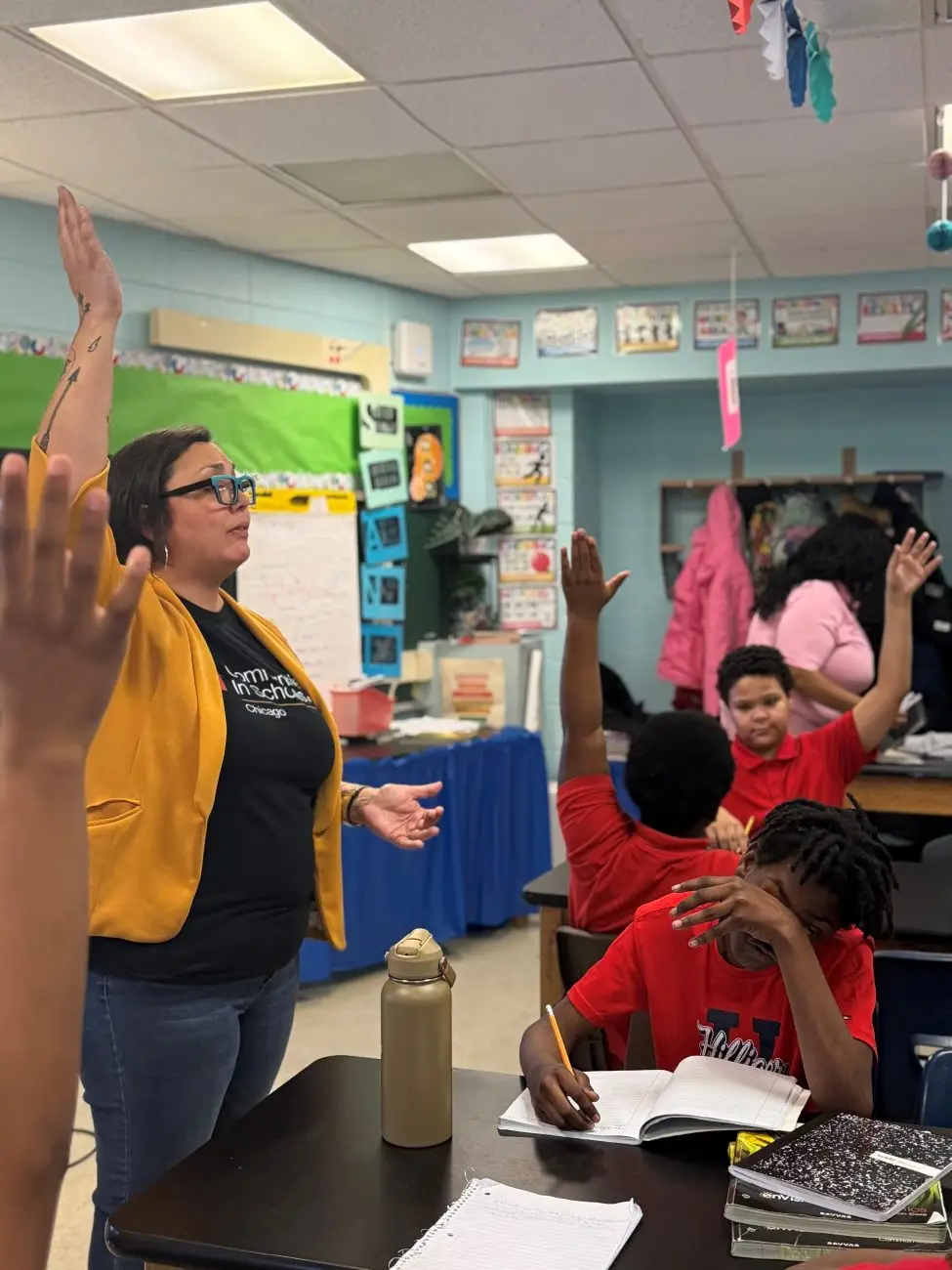
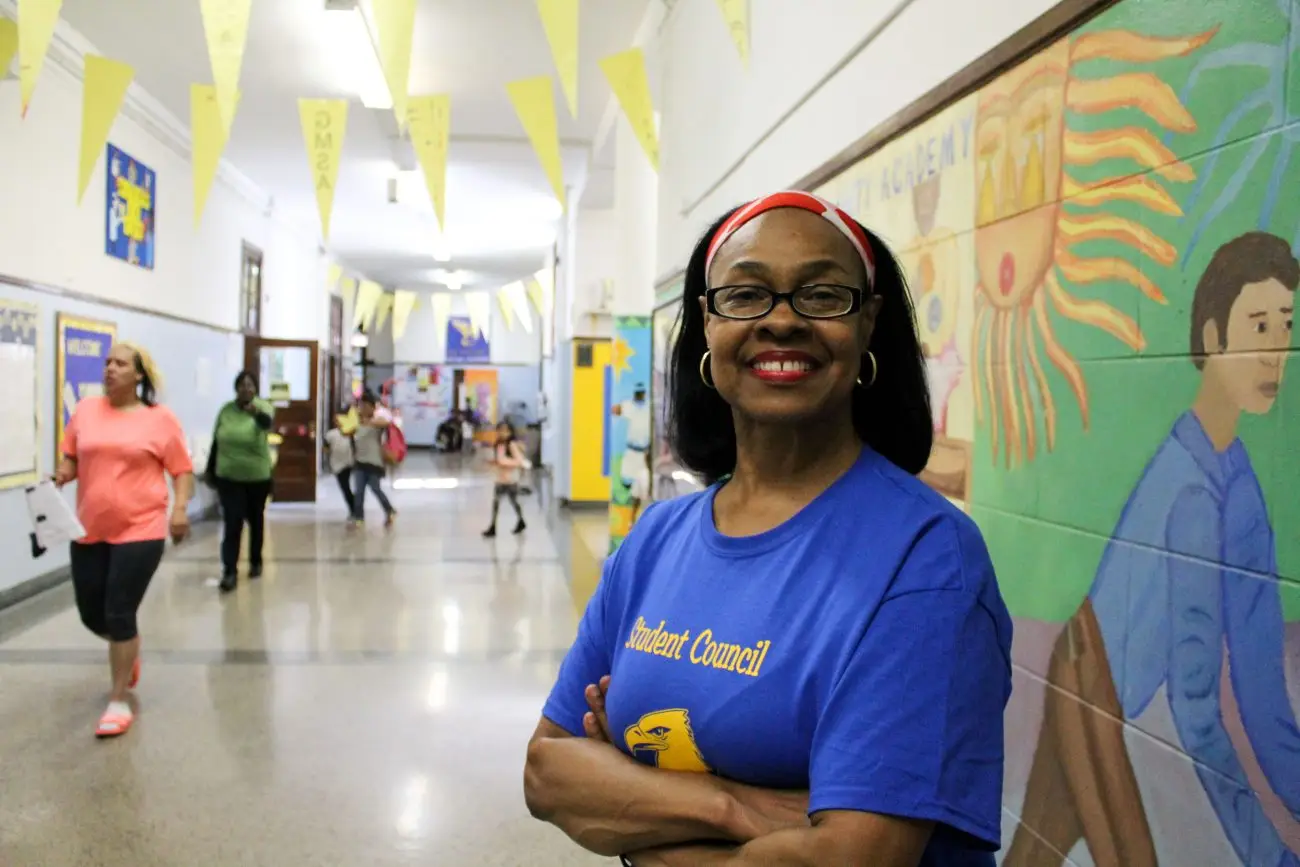
Robin at Woodson
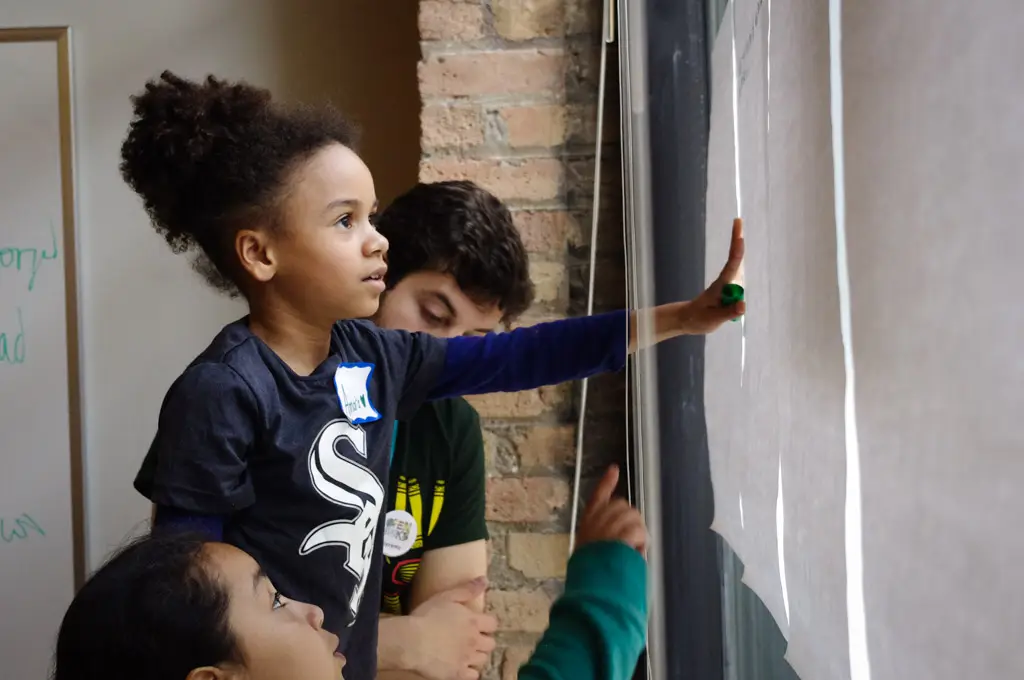
Student pointing at board

SHIFT #4:
IDENTIFY YOUR NETWORK

You don’t have to do it alone.

Your network – friends, coworkers, neighbors, faith communities, or professional colleagues – can multiply your impact.

Everyone has something to offer: a skill, a connection, a few hours of their time, or simply a willingness to be present.

When people come together around a shared purpose, small actions can become pivotal opportunities for young people and stronger communities for everyone.

SHIFT #5:
TAKE THE FIRST STEP

Every meaningful change starts the same way: someone takes the first step.

You don’t have to have the perfect plan, unlimited time, extra money, or specialized expertise. You simply have to be willing to begin.

Whether it’s introducing yourself to a student, sharing your talents with a young person, tutoring, or just saying yes to an opportunity, the first step
is often the hardest – and the most important.

The good news is that there isn’t just one way to make a difference.

Some people mentor. Others coach, teach, advocate, create, donate, organize, or simply show up. Every person has “it.”

The question isn’t whether you have
something to offer – it’s where you’ll begin.

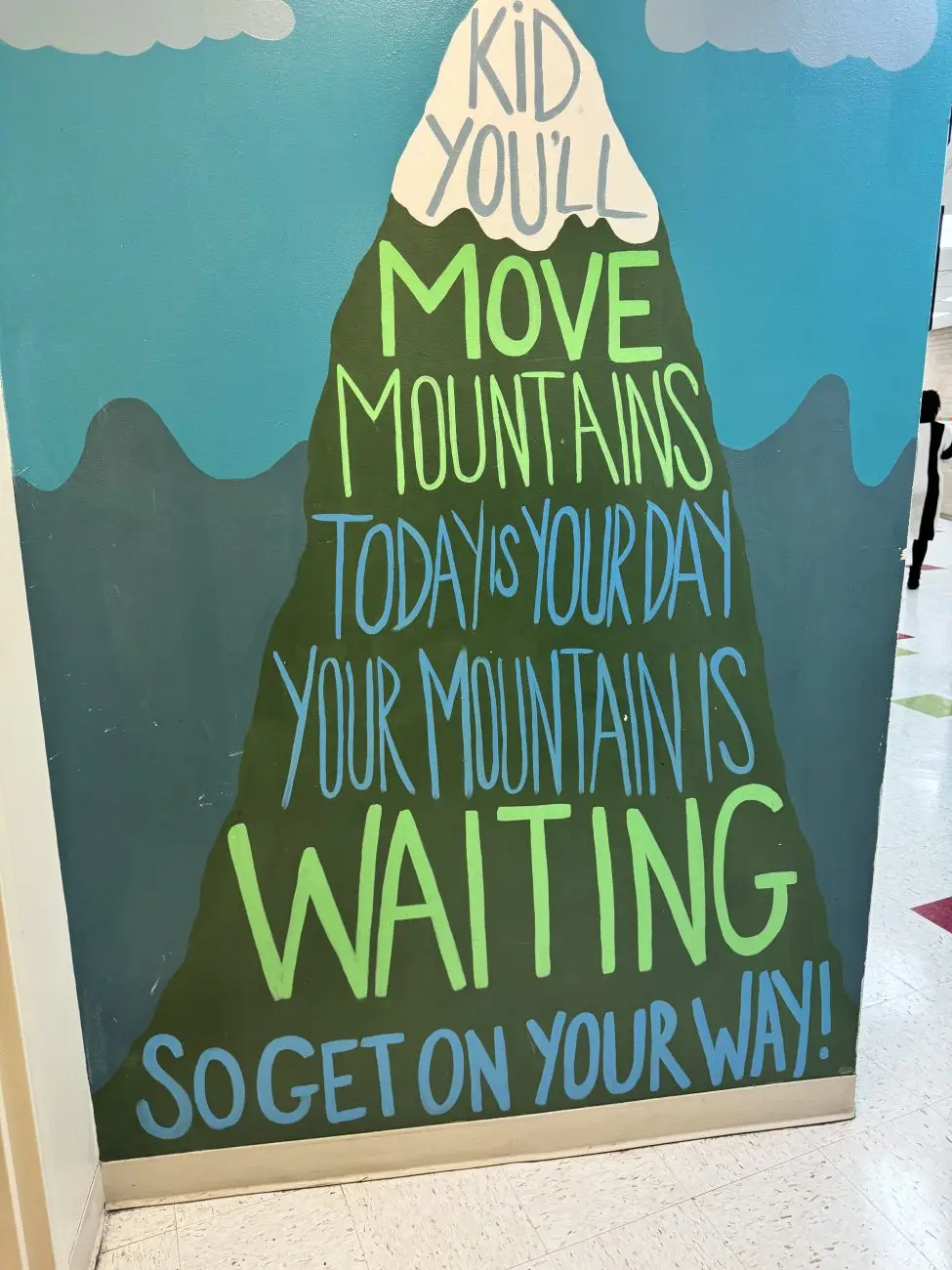
Move mountains poster

*This report was created by the Violence Prevention Catalyst Team: Communities In Schools of Chicago, Together Chicago, Prismatic, Guitars Over Guns Organization, Henderson Elementary School, PDM Journey Coaching, Helix Education, Illinois Network of Charter Schools, Alice Jordan, BUILD Inc., The Grace Network, Jose Santiago, and Let Go-Be Great.