For many students, learning can start to feel confined to four walls – disconnected from the world they’re trying to understand. But across CIS of Chicago schools, educators are increasingly pushing against that boundary.
Arts and culture field trips are rising as a top priority for CIS schools, not simply as enrichment, but as a way to reconnect students to curiosity, relevance, and a sense of belonging in the broader world around them.
When arts and culture field trips began climbing that list – now ranking as the No. 2 priority across CIS school – it raised some important questions: What’s driving this shift? What does it reveal about what students are missing? And what do students need most to stay engaged?
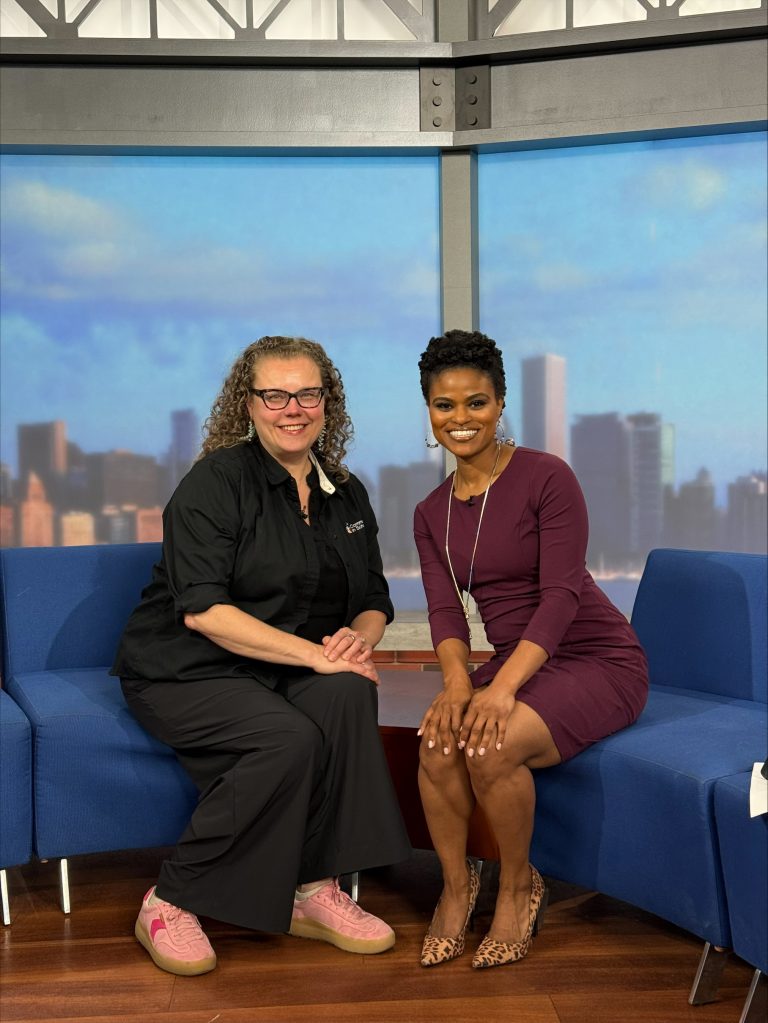
We asked our Senior Arts and Culture Partnership Specialist, Katia Marzolf Borione, about this growing need and her work connecting schools with field trip opportunities.
“I think that teachers want to get their students out of the building and create authentic connections between their classroom learning and the world around them,” Katia said. “These field trips are such a tangible way to expose students to something new.”
Exposing young people to new ideas and experiences
The latest State of the Arts report released by Ingenuity revealed steps forward in arts education – for instance, every single Chicago public school submitted arts education data – but the report also revealed opportunities for organizations like CIS to further support arts programming. According to the report, access to arts education varied across student populations and communities, and 65,000 students still lacked access to high-quality arts education.
CIS works to bridge these equity gaps by helping schools access community arts programs. Getting students out of the building is a continued and sustained desire from schools, Katia shared, and CIS partners with community organizations to remove barriers like bus transportation and expose students to new environments.
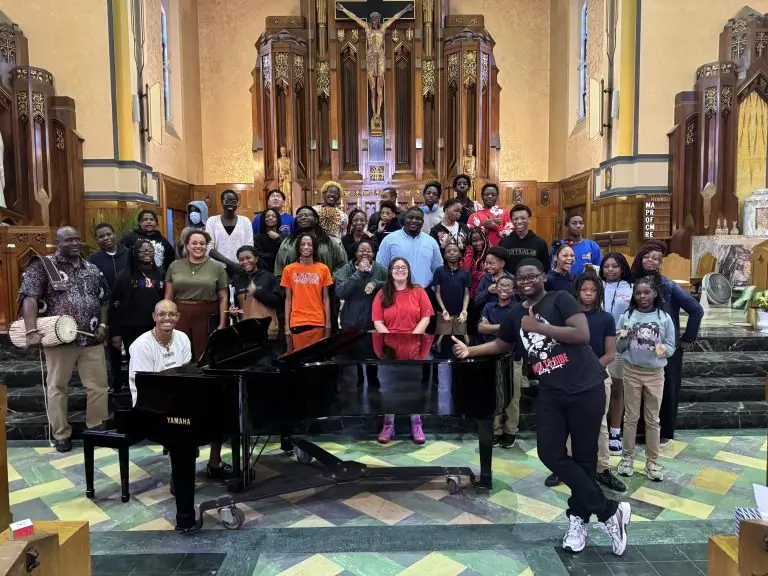
Field trips to spaces like museums, cultural institutions, theaters, and live music venues expose students to people and places that impact how they see the world around them and how they envision their future.
Deepening their classroom learning
Arts and culture field trips complement a teacher’s curriculum, like a classroom traveling to the Shedd Aquarium after learning about sea animals or students visiting the Art Institute after diving into Greek and Roman history or young people seeing a performance at the Lyric Opera, and they provide students with an artists’ way of thinking, Katia said.
Harvard’s Project Zero developed Studio Habits of Mind, or a set of eight learning dispositions with which artists approach their craft. These habits include engage and persist (finding a passion and sticking with it), envision (imagining and planning), express (finding and showing meaning), reflect, and stretch and explore. Discovering, playing, and making mistakes are actions that allow artists to grow, not only as creators but also as individuals. These habits are just as important for all young people to develop, Katia said.
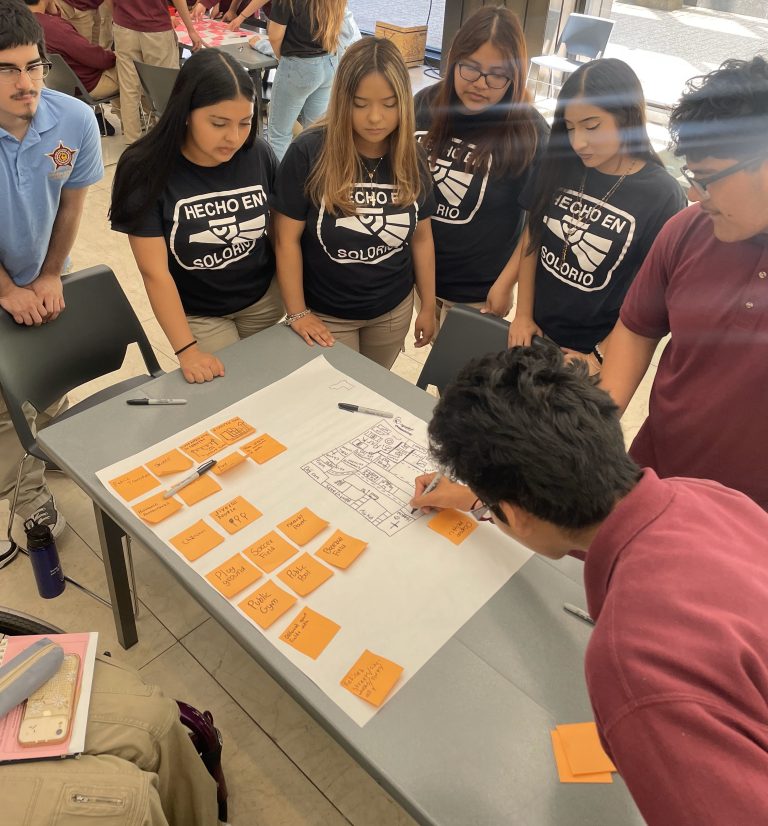
The Chicago Architecture Center is one of many CIS arts partners that incorporate multiple disciplines, like visual arts, engineering, and math, in its programs. The Architecture Center’s “Design Your Neighborhood” workshop, for example, challenges students to create their own neighborhoods and reflect on what attributes make strong communities.
Developing essential skills
Arts education also supports creativity, critical thinking, and social-emotional skills, Katia said. According to the American Academy of Arts & Sciences, the arts broaden a person’s understanding and appreciation of other cultures, builds empathy, develops valuable career skills, and even strengthens civic engagement. The skills that come from these experiences aren’t just nice to have. They are necessary for the growth and development of the next generation of leaders.
Katia knows first-hand the benefits of an arts education because she herself was trained as a classical ballet dancer. She attended Chicago public schools from kindergarten through senior year and earned a bachelor’s degree in dance education. After working for more than two decades as a dance teaching artist and designing curriculum for dance, in collaboration with teachers, Katia has seen how the arts have directly affected young people.
“Every student that I have worked with or school I have gone into has shown me that even a small creative experience can be impactful to them and shape their future,” Katia said. “Exposing young people to the arts does not mean they will necessarily become artists, but it means that they can support and appreciate the arts and expose themselves to a variety of ways to see the world.”
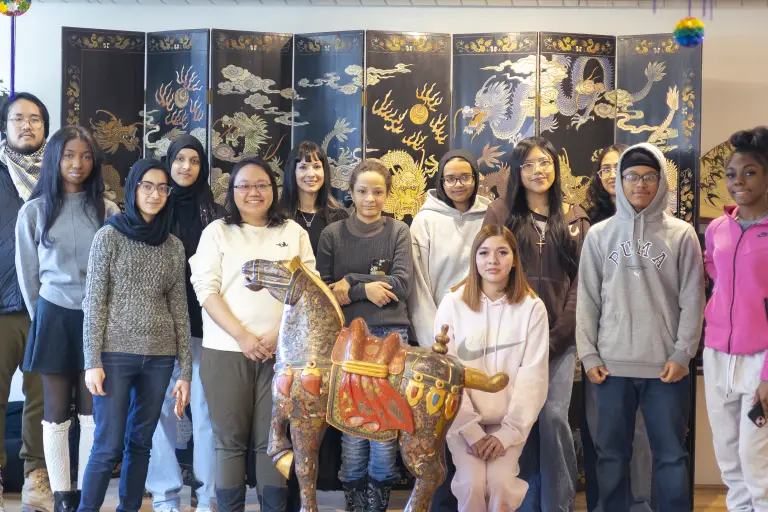
The rise of arts and culture field trips as a top school priority signals a clear need: students are seeking connection, relevance, and real-world exposure.
For Katia, meeting that need is both practical and purposeful. In a city rich with opportunity but uneven in access, CIS of Chicago plays a critical role in bridging the gap. Through strong partnerships and deep school relationships, Katia and the CIS Partnership Team are expanding access to experiences that bring learning to life, even as arts funding declines and demand continues to grow.
“CIS’ relationships with arts organizations, the reputation we uphold within our partner schools, and our ability to connect schools with high-quality student programming is what makes our model so effective,” Katia said, “and what we are hoping to lean into in the coming years.”