When winter break approaches, the anticipation is palpable throughout the school building. However, for educators and student support organizations, the break brings a predictable and formidable challenge for students known as the “winter slide.”
Traditionally viewed as a period of academic regression where math facts fade and reading comprehension stalls, the winter slide is not merely a loss of knowledge, but a critical disruption in a young person’s routine. This disruption can sometimes lead to behavioral management and emotional regulation challenges.
During the recent winter break, our team at Communities In Schools (CIS) of Chicago worked in partnership with teachers and staff at 250 Chicago Public Schools to provide support for students – before, during, and after the break period.
Why is there a “winter slide?”
The loss of structured routine is the root cause of the January slump. For many students, the school day provides a necessary scaffold for emotional stability and focus. When that structure is removed for two weeks, the transition back to the classroom can be jarring.
Historically, it takes two to three weeks for classrooms to recover from this break, a period often characterized by pandemonium as children re-calibrate.
The slide, therefore, is less about forgetting vocabulary lessons, history dates, or math equations, and more about losing the “muscle memory” of learning – the ability to sit still, follow directions, and manage their response to stimuli as well as interpersonal interactions.
What is CIS’ approach to addressing the slide?
To mitigate this, CIS of Chicago launched a comprehensive initiative focused on keeping the momentum going. The team distributed tailored resource packets to families across its network of 250 schools.
Crucially, these were not standard academic drills designed to burden students during their time off. Instead, they were tools for maintaining continuity.
Based on direct feedback from teachers – who reported that their biggest January challenge is students struggling to focus or stay awake – these materials were designed to be engaging and age-appropriate. They included puzzles, coloring pages, projects, and reading assignments that encouraged low stress but consistent mental engagement.
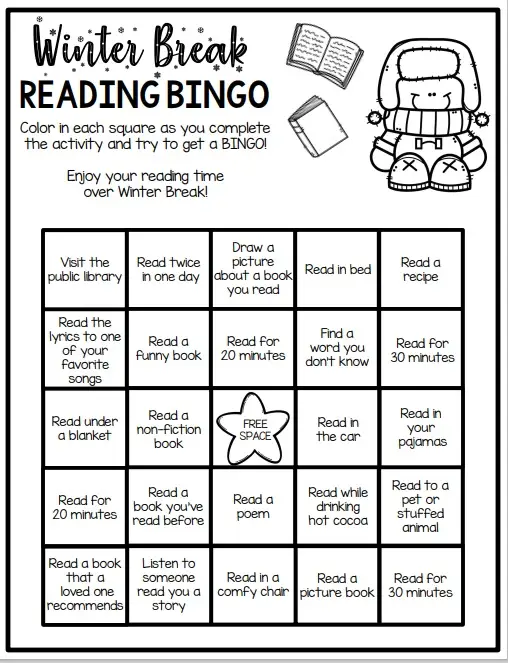
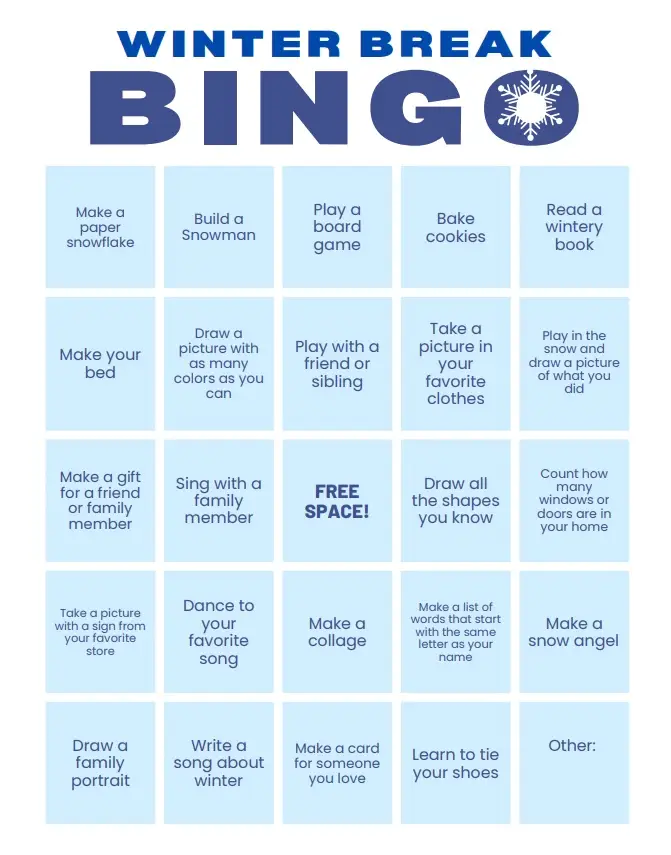

While every child deserves a break, no child benefits from a chaotic return. By providing these resources, CIS empowered parents to maintain a general routine at home.
For students who struggle with attention and emotional regulation, these small, structured activities acted as a bridge, ensuring that the return to school was a step forward rather than a restart.
Why is CIS’ approach multi-faceted?
CIS recognizes that a routine is impossible to maintain if basic needs are unmet. The support packets (and school deliveries of coats and other goods) also connected parents with broader community resources, such as information on food banks and clothing sales, ensuring that the physical wellbeing of the family was supported alongside the student’s educational habits.
The strategy went beyond the break itself to the critical moment of reentry. CIS worked with schools to create positive, welcoming environments in January, ranging from “book parties,” special classroom visitors, and field trips for students to professional development that helped teachers manage the transition with empathy. The goal was to make the return to school a celebration of community rather than a shock to the system.
By shifting the focus from academic drills to behavioral and emotional continuity, CIS of Chicago provided a more holistic defense against the winter slide, ensuring that when students returned, they were physically present and emotionally ready to learn.